

A wire harness is a common and effective tool for keeping multiple wires within a piece of equipment in order. On a more basic level, it’s the exterior covering, or sleeve, that encases and protects an inner conductor or bundle of conductors. Known for their straightforwardness, effectiveness, and low cost, these simple casings are designed to streamline and organize multi-wire systems while protecting the wires from the elements, resulting in a cleaner, safer working environment.
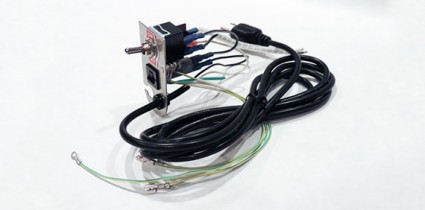
As small as they are, however, wire harnesses can vary widely. In fact, most companies customize them so that they’re better suited to particular environments and applications. We’re here to help outline the basics of these essential implements so that you can find the perfect type for your company.
Types of Wire Harnesses
Wire harnesses can be made from a number of durable materials. Some of the most common include:
-
PVC
-
Vinyl
-
Thermoplastic elastomer
-
Polyurethane
-
Polyethylene
The specific material used in a harness largely depends on its surrounding environment. If the wires are run in a particularly damp environment, for example, the harness should be of a material that effectively resists moisture such as polyethylene.
Regardless of the material with which it’s made, wire harnesses can be further specialized to suit particular applications. Additional features often found in wire harnesses include:
-
Wire ties
-
Lacing
-
Insulation materials
-
Custom colors
-
Heat-shrink coatings
-
Custom labeling or barcoding
-
Four-color ink stamping
-
Individual tagging
-
Independent circuit IDs
-
Polypropylene, nylon, and paper fillers
-
Custom shielding
Just as certain materials are better suited to certain environments, certain features of wire harnesses are better suited to certain applications. Any wires at an increased risk of abrasion, for example, should be enclosed in a harness with heat-shrink coating, since heat-shrink coating is designed to minimize the effects of abrasion.


